NFAP-2025 Rolled Out: DoT Expands Spectrum Allocation for 5G, 6G and Satellite Broadband
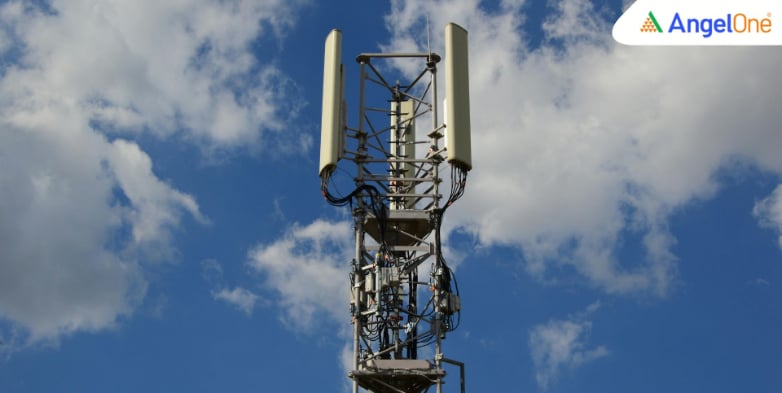

On December 30, 2025, the Department of Telecommunications (DoT) introduced the National Frequency Allocation Plan 2025 (NFAP-2025), a vital policy outlining spectrum allocations across a large frequency range.
The plan incorporates key revisions to support expansion of 5G, 6G, satellite services and future communication needs in alignment with global standards.
NFAP-2025: Expanded Spectrum Allocation Across Services
The NFAP-2025 covers radio-frequency spectrum from 8.3 kHz to 3,000 GHz, addressing the needs of a broad range of radio-communication services. It allocates specific bands for mobile, satellite communication and advanced emerging technologies.
The 6,425–7,125 MHz band is designated for International Mobile Telecommunications (IMT), expanding the available mid-band spectrum essential for 5G, 5G Advanced and 6G networks. This allocation enhances speed and capacity for mobile services.
Support for Satellite and In-Transit Connectivity
The plan allocates Ka, Q and V bands for satellite-based services including high-throughput Geo-Stationary Orbit (GSO) satellites and low/non-GSO constellations.
Additional spectrum will now support In-Flight and Maritime Connectivity (IFMC), enabling uninterrupted broadband during transit through air and sea routes.
These steps aim to strengthen connectivity infrastructure across diverse Indian geographies.
Read More: Government Extends Telecom Equipment Security Certification Scheme, Slashes Lab Fees!
Inclusion of Emerging Technology Requirements
NFAP-2025 also accommodates spectrum allocation for newer technologies such as Vehicle-to-Everything (V2X) communication and expanded broadband applications via Low Earth Orbit (LEO) and Medium Earth Orbit (MEO) satellites.
These updates ensure infrastructure support for machine communication and internet accessibility, including rural and remote locations.
Global Harmonisation and Ecosystem Development
The Ministry of Communications stated that these measures keep India’s spectrum usage aligned with international frameworks, ensuring compatibility in global digital communication.
Equipment manufacturers, telecom operators and spectrum managers are expected to benefit from a streamlined and transparent framework, facilitating technological and economic ecosystem growth.
Conclusion
The release of NFAP-2025 reinforces India's strategy to build robust, globally harmonised connectivity infrastructure. Through dedicated frequency allocation across a broad spectrum, the policy prepares India’s network landscape for seamless integration and innovation across multiple sectors.
Disclaimer: This blog has been written exclusively for educational purposes. The securities or companies mentioned are only examples and not recommendations. This does not constitute a personal recommendation or investment advice. It does not aim to influence any individual or entity to make investment decisions. Recipients should conduct their own research and assessments to form an independent opinion about investment decisions.
Investments in the securities market are subject to market risks, read all the related documents carefully before investing.
Published on: Dec 30, 2025, 3:12 PM IST

Team Angel One

- BRICS Business Forum 2026: Piyush Goyal Seeks Open Markets, Fewer Trade Barriers and Payment System Links
- Government Extended OALP-X, OALP-XI Offshore Bidding Deadline to November 15, 2026
- Government Launches DILRMP 3.0; ₹565.5 Crore Set Aside for Integrated Land Data
- India Boosts Domestic LPG Output as Strait of Hormuz Disruption Raises Import Concerns
- Indian Railways to Upgrade Older Trains With 12,000 HP Push-Pull Locomotives
Related Articles

Enjoy ₹0 Account Opening Charges
Get the link to download the App