Govt Raises LPG Allocation to 70% for Pharma, Food and Agri Sectors Amid Supply Concerns
 EN
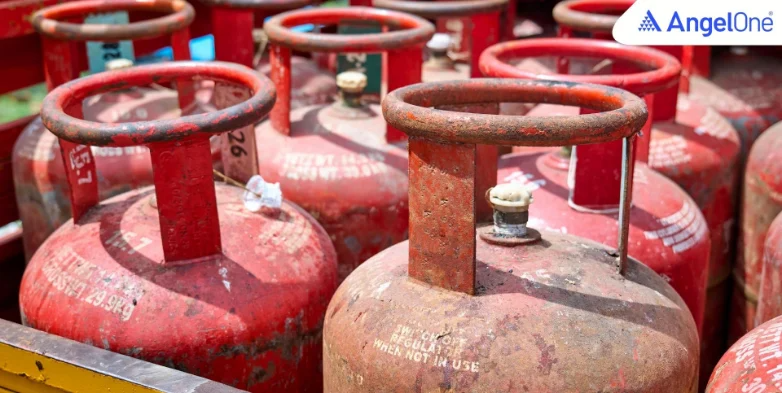

The government has increased the allocation of bulk non-domestic LPG to 70% for industries such as pharmaceuticals, food, agriculture, polymers, packaging, steel, ceramics, glass, and more.
According to the Ministry of Petroleum and Natural Gas, the supply will be based on each unit’s LPG consumption before March 2026. However, the allocation will be capped at 200 tonnes per day per sector.
Secretary Neeraj Mittal informed states about this decision through an official letter.
Eligibility Conditions for Industrial Units
To receive the additional LPG allocation, companies must:
- Register with state-run oil marketing companies.
- Apply for piped natural gas (PNG) through city gas distribution companies.
- Take steps to shift towards PNG usage.
Exception:
If LPG is essential for manufacturing or cannot be replaced by natural gas, the requirement to apply for PNG will be waived.
More Natural Gas for Fertiliser Plants
The government also increased natural gas allocation for fertiliser plants by 5%, raising supply to about 95% of their average consumption over the last 6 months.
Boost for Petrochemical Sector
In a positive move for the petrochemical industry, the government allowed propane and butane diversion for petrochemical production, helping improve feedstock availability.
Steps Taken to Make Coal More Affordable
To support industries dependent on coal:
- Coal India Limited reduced the reserve price of coal by 20% in e-auctions.
- Coal supply through e-auctions and state channels has been increased.
Coal e-auction update:
- March 2026: 32.53 million tonnes offered; 13.32 million tonnes booked.
- April 2026: 30 e-auctions planned, offering 25.8 million tonnes; 1.24 million tonnes already booked.
Read More: India’s E-commerce Market Could Reach $250 Billion by 2030 Amid Changing Consumer Behaviour!
Conclusion
The government’s latest measures aim to secure fuel supply for critical industries, support fertiliser production, and reduce energy costs. These steps are expected to help industries manage supply disruptions and maintain stable production levels.
Disclaimer: This blog has been written exclusively for educational purposes. The securities mentioned are only examples and not recommendations. This does not constitute a personal recommendation or investment advice. It does not aim to influence any individual or entity to make investment decisions. Recipients should conduct their own research and assessments to form an independent opinion about investment decisions.
Investments in the securities market are subject to market risks. Read all related documents carefully before investing.
Published on: Apr 9, 2026, 12:03 PM IST

Kusum Kumari

- LPG Cylinder Regulations 2026: Stricter Aadhaar e-KYC for Subsidies Effective November 1
- Indian Railways Revises Variable Dearness Allowance for Contract Workers from October 1, 2026
- Diwali 2026 Bank Holidays: Check If Banks Are Open or Closed
- Government Extends Cotton Import Duty Exemption Till December 31, 2026
- Southern Railway to Operate 2 Special Trains During Diwali 2026; Check Routes and Timings!
Related Articles



Enjoy ₹0 Account Opening Charges
Get the link to download the App