Ethanol Blending in Petrol Target Met: How It Affects Your Vehicle's Mileage and Maintenance
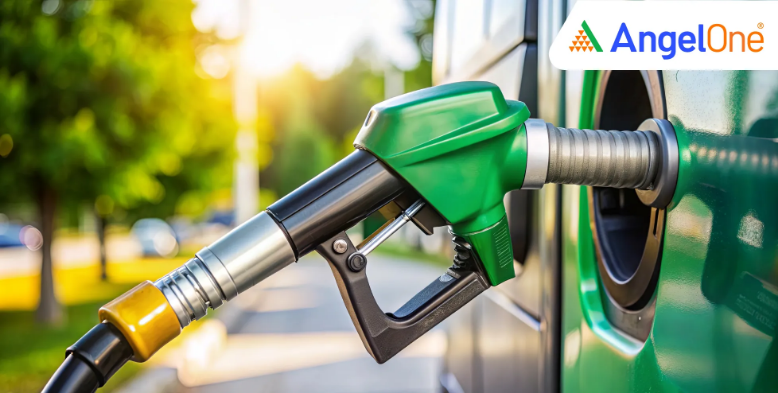

India’s ambitious push towards ethanol blending has hit a major milestone achieving 20% ethanol blending (E20) in petrol 5 years ahead of its original 2030 deadline.
While this is a significant win for the government’s energy independence goals and for the farming sector that benefits from increased sugar demand, the shift to E20 fuel raises important questions for everyday vehicle users particularly around mileage and maintenance.
Let’s take a look at how this shift to E20 ethanol-blended petrol could impact your vehicle’s performance, fuel efficiency, and long-term maintenance costs.
Ethanol’s Impact on Fuel Efficiency
One of the biggest concerns with ethanol-blended fuel is reduced mileage. Ethanol has a lower calorific value than petrol meaning it produces less energy per litre.
As a result, using E20 petrol can cause fuel consumption to increase by 6–7% compared to unblended fuel. This means more frequent refuelling for the same distance traveled, especially if the engine isn’t optimally tuned for E20.
The actual impact on mileage depends on the vehicle’s engine and how well it's calibrated to handle blended fuels.
Higher Ethanol and Its Impact on Your Engine’s Health
Beyond mileage, vehicle maintenance is another area of concern. Ethanol is hygroscopic it absorbs water which can lead to corrosion in engine components, fuel lines, and storage tanks.
If an E10 compliant vehicle is regularly refuelled with E20 petrol, engine parts may degrade faster, potentially resulting in higher maintenance costs over the vehicle’s lifecycle.
Unless the vehicle is explicitly E20 compatible, owners may face unexpected repairs, particularly related to rubber and plastic components that aren’t designed for higher ethanol exposure.
What Is Ethanol Blending?
Ethanol, an alcohol-based fuel typically derived from sugarcane and other crops, is blended with petrol to reduce India's reliance on crude oil imports and cut down on emissions. In 2022, India achieved a 10% ethanol blending (E10) target and reportedly saved over ₹50,000 crore in crude oil imports.
While ethanol blending brings clear environmental and economic benefits, vehicle owners should also be aware of its trade-offs in terms of fuel efficiency and maintenance.
Read More: India Achieves 20% Ethanol Blending Target 5 Years Ahead of 2030 Goal.
Conclusion
Ethanol blending is undoubtedly a step in the right direction for India’s energy security and environmental goals. But as with any large scale transition, the impact on end users must be factored in.
Awareness, transparency, and continued innovation in engine design will be key to ensuring that the ethanol economy remains truly sustainable for both the planet and the pocket.
Disclaimer: This blog has been written exclusively for educational purposes. The securities mentioned are only examples and not recommendations. This does not constitute a personal recommendation/investment advice. It does not aim to influence any individual or entity to make investment decisions. Recipients should conduct their own research and assessments to form an independent opinion about investment decisions.
Published on: Aug 1, 2025, 4:08 PM IST

Neha Dubey
Neha Dubey is a Content Analyst with 3 years of experience in financial journalism, having written for a leading newswire agency and multiple newspapers. At Angel One, she creates daily content on finance and the economy. Neha holds a degree in Economics and a Master’s in Journalism.
Know More
- India’s Gems and Jewellery Exports Rise 3.14% to $2.30 Billion in August 2026
- Commerce Ministry Proposes ₹23,000 Crore RoDTEP Outlay for FY27, Seeks Five-Year Extension
- PM Modi Inaugurates SEMICON India 2026 Today (September 17, 2026) at Yashobhoomi in New Delhi
- UPI Transactions Up to ₹2,000 to Remain Free Under New MDR Pricing Framework
- India Reduces Windfall Tax on Petrol, Diesel and ATF Exports; New Rates Effective September 16, 2026
Related Articles

Enjoy ₹0 Account Opening Charges
Get the link to download the App